Experientiald3, Dubai2024
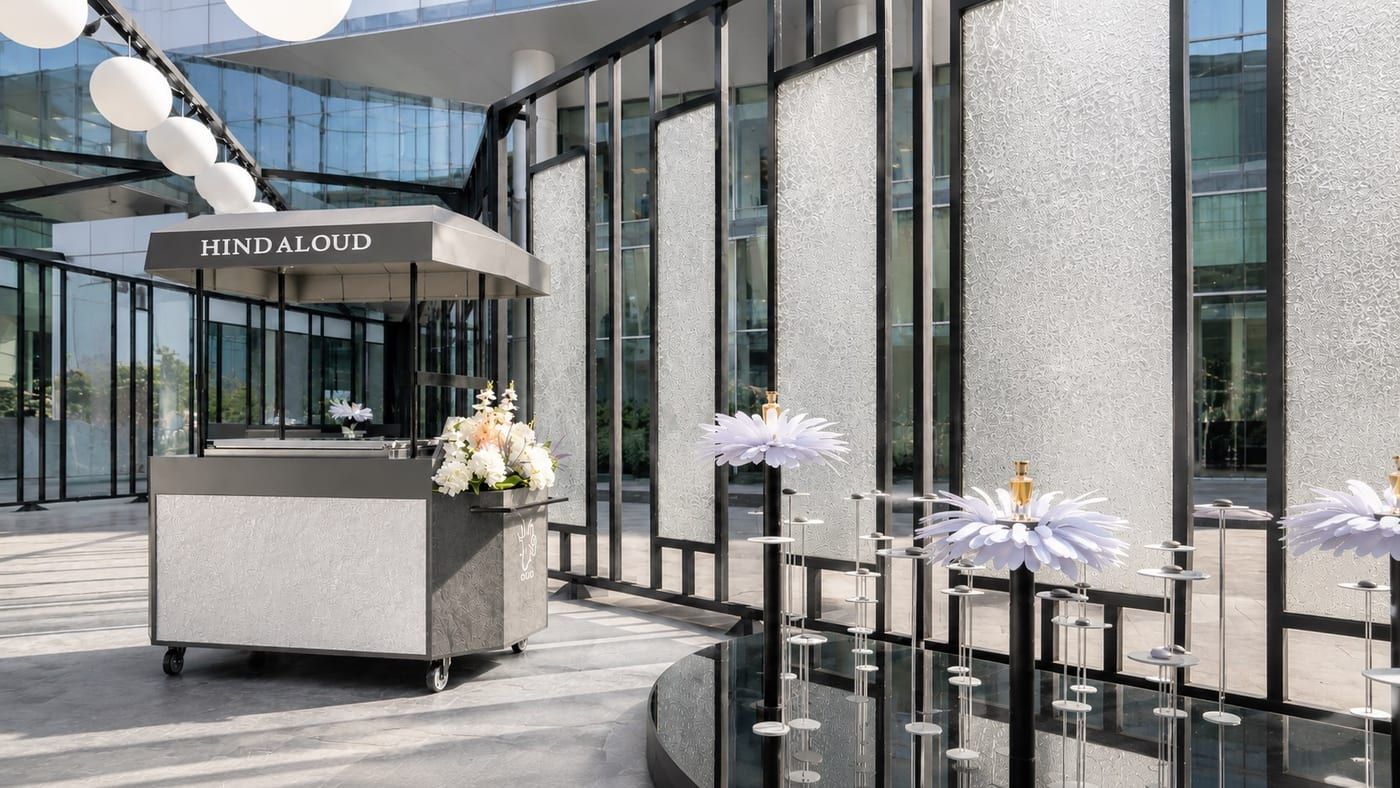
Hind Al Oud x Dubai Design Week
Official fragrance partner of Dubai Design Week, with a culturally credible experiential activation at design scale.
View case study →Work
Selected work across retail, hospitality, and experiential environments - each resolved through Define, Design, and Realize.
Experientiald3, Dubai2024
Official fragrance partner of Dubai Design Week, with a culturally credible experiential activation at design scale.
View case study →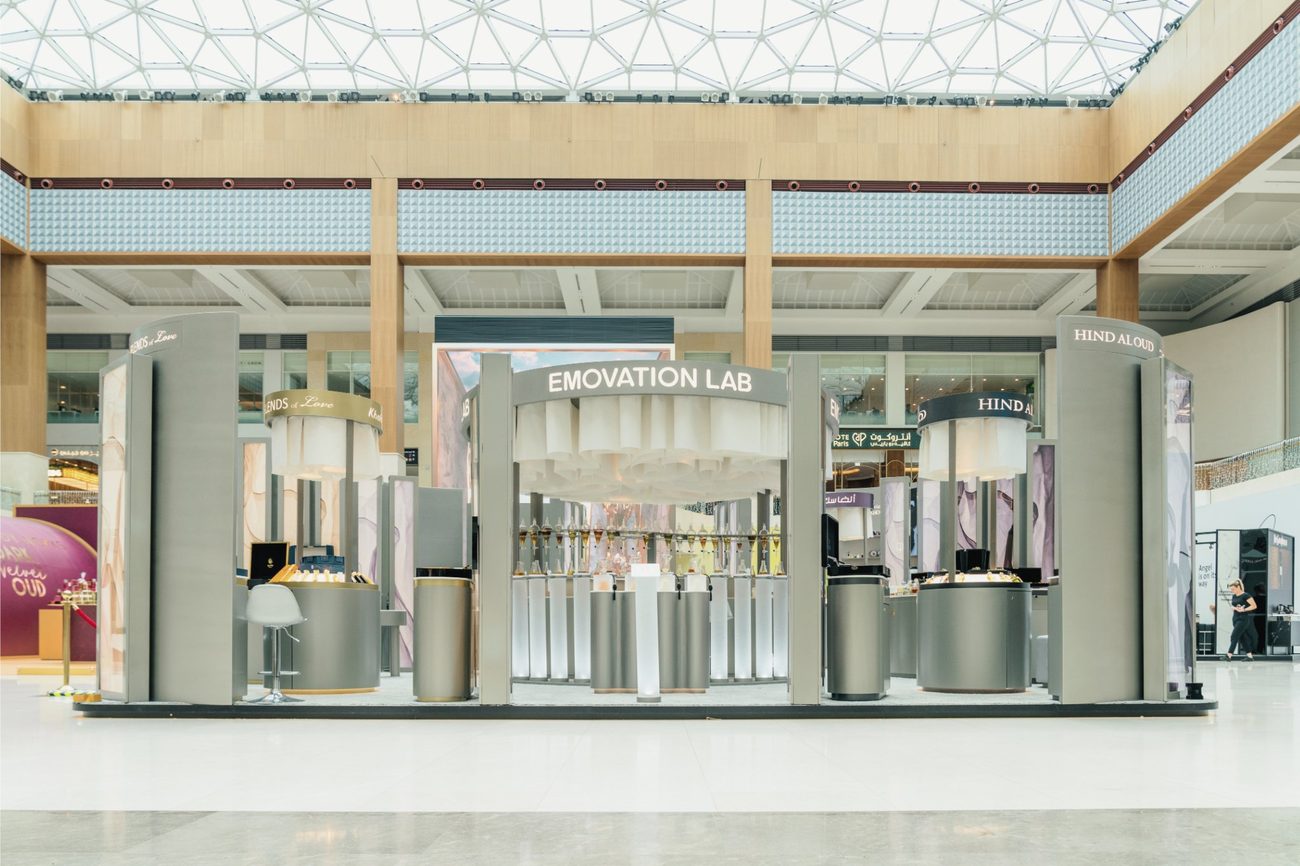
ExperientialUAE2024
A multi-brand fragrance activation with immediate spatial presence through sculptural entry and ceiling installation.
View case study →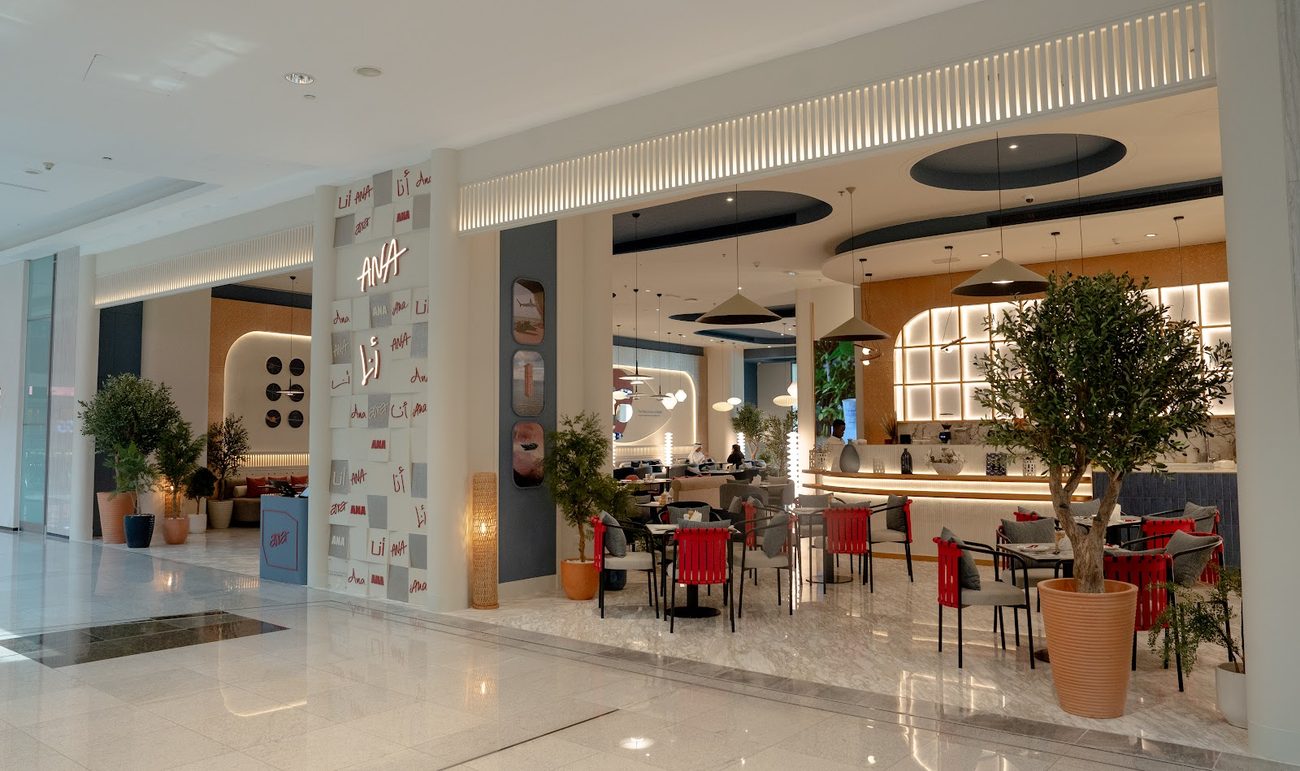
HospitalityDubai Mall, UAE2024
A built hospitality environment with layered spatial depth and a clear arrival-to-dining sequence.
View case study →How to read the work
AfterSense case studies are selected for the quality of the spatial logic, not only for the final photography. Each project is read through the same lens: what the space needed to achieve, how the user journey was defined, where attention was directed, and how the outcome could be realized with clarity.
This matters for luxury retail, hospitality, exhibitions, and temporary activations because premium environments cannot rely on appearance alone. They need structure: a clear arrival, a controlled rhythm, a hierarchy of moments, and a material direction that supports the intended behavior.
01
What the project must make people understand, feel, remember, or do before design decisions begin.
02
How movement, zoning, thresholds, sightlines, and attention are organized into a coherent sequence.
03
How the design direction is made buildable, legible, and aligned with brand, guest, customer, and operational goals.
Project signals
Premium does not mean more material, more styling, or more visual noise. The strongest spaces feel resolved because every moment has a role.
Arrival, orientation, dwell, interaction, and memory are defined early so the design has a standard to follow.
Dubai and GCC projects often serve international audiences while carrying local codes of hospitality, craft, privacy, and presentation.
Questions answered
AfterSense shows selected spatial experience design work across experiential, hospitality, retail, and brand environments, with emphasis on experience definition, movement, attention, atmosphere, and buildable spatial logic.
No. The work is positioned as spatial experience design: the studio defines how a space should operate and be experienced before resolving its visual and material direction.
AfterSense is based in Dubai and works across the UAE and GCC, especially with brands and operators developing retail, hospitality, exhibition, showroom, and temporary environments.
The important signal is not only the final image. Clients should look for the decisions behind the space: the journey, thresholds, hierarchy, attention strategy, atmosphere, and execution discipline.
The AfterSense project archive spans retail galleries, restaurant interiors, fragrance exhibitions, and cultural activations across Dubai Mall, Dubai Design District, and regional GCC markets. Each case study documents spatial decisions made before build: journey mapping, threshold logic, atmosphere frameworks, material systems, documentation, and contractor coordination.
Explore Hind Al Oud at Dubai Design Week, Emovation Lab, and ANA Restaurant at Dubai Mall to see how Define → Design → Realize applies across sectors. Projects are selected for spatial logic and delivered design quality, not photography alone.
Request a spatial diagnostic to clarify the experience challenge, project stage, and the right engagement model for your environment.